When picking a camping tent, it's important to know the different types out there. Each type has its perks, so let’s break it down so you can find what fits your style.
1. Dome Tents
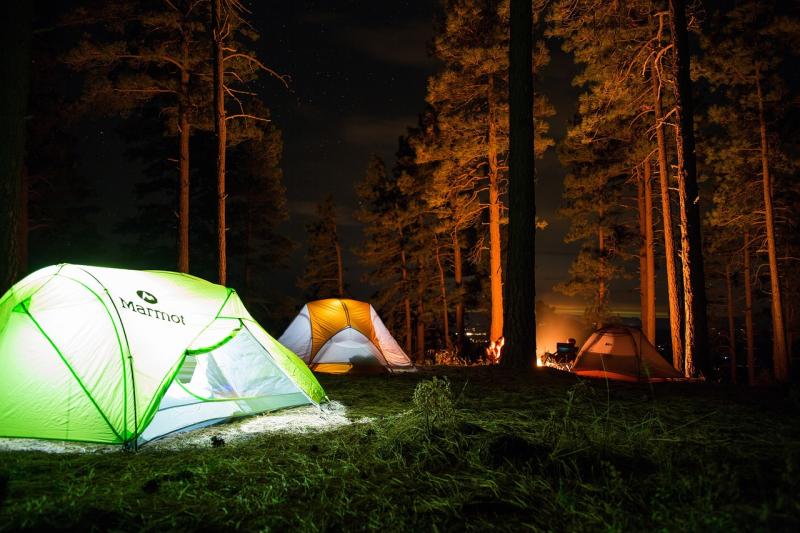
Dome tents are super popular and for good reason. They’re sturdy, easy to set up, and can handle wind pretty well. These tents usually have a good amount of space and work great for families or groups. Plus, the design helps rain run off easily, keeping you dry.
2. Backpacking Tents
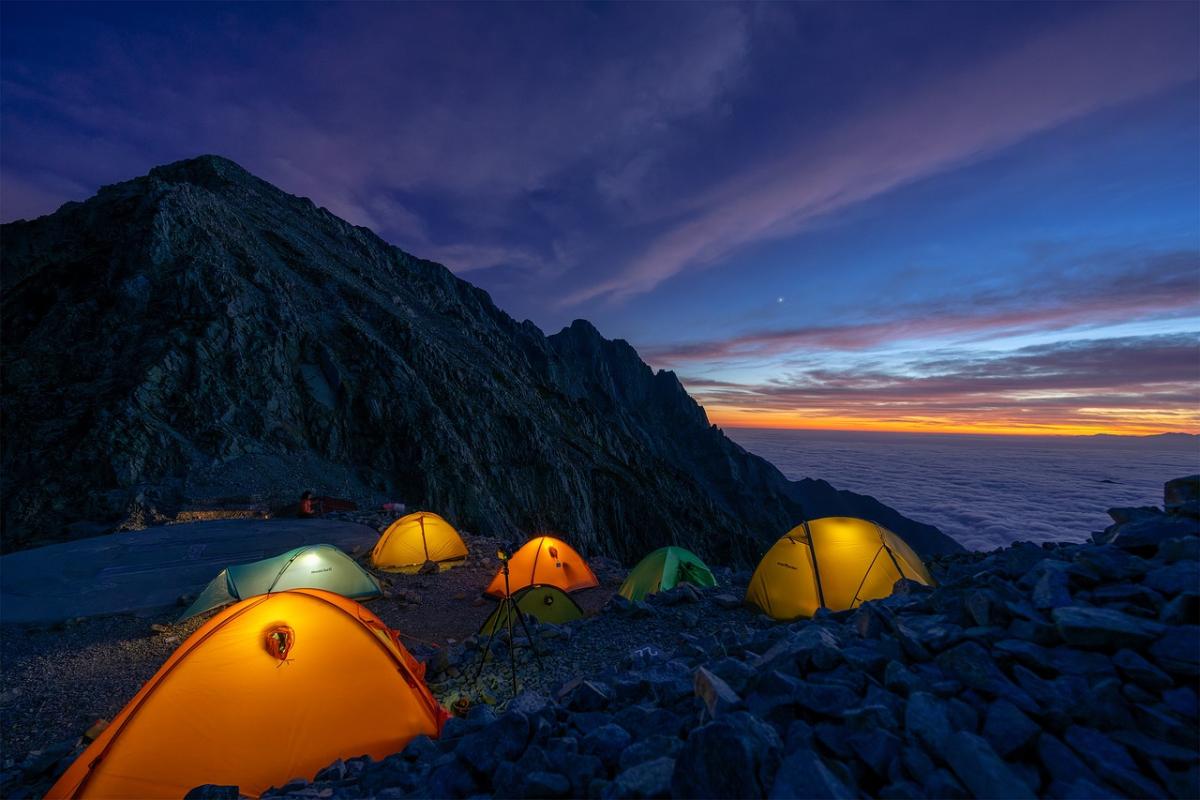
If you're planning a hike and need to keep your pack light, go for a backpacking tent. These tents are lightweight and compact, making them easy to carry. They are designed for quick setups, so after a long day of trekking, you can set up camp in no time.
3. Cabin Tents
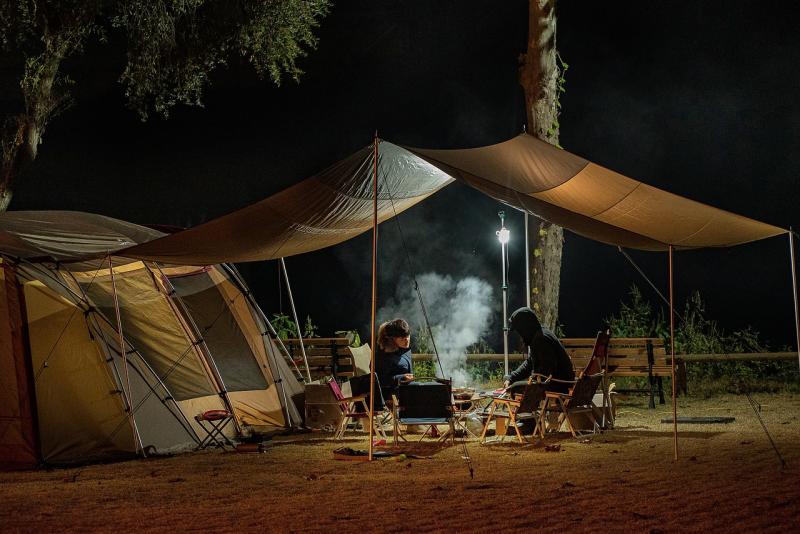
Cabin tents are perfect for car camping. They’re spacious and often come with room dividers. If you want that homey feel and don’t plan on hiking too far, this might be your best bet. They usually fit more people and have tall ceilings, so you won’t feel cramped.
4. Pop-Up Tents
Looking for something really easy? Pop-up tents are a great choice. They literally spring into shape in seconds. These are ideal for festivals or short trips where you don’t want to spend much time setting up. Just pop it open and enjoy your time outdoors!
Key Features to Look For
Choosing a camping tent can feel overwhelming with all the options out there, but focusing on a few key features can really help narrow it down. First up, think about the size. You want enough space for everyone to sleep comfortably, along with gear. Check the tent's specifications to see if it fits your needs. If you're camping with a group, a tent that accommodates more people than you have ensures there's room for gear.
Next, consider the tent's weight. If you're backpacking, a lightweight tent makes all the difference. Look for options under 5 pounds if you plan on carrying it. Heavy tents are fine for car camping, but nobody wants to lug extra weight up a mountain trail.
Weather resistance is crucial. Look for a tent with good rain fly and waterproof materials to keep you dry. A tent with a vestibule is great for storing muddy shoes or backpacks. Ventilation also matters. Since moisture can build up inside, having windows and proper airflow prevents that clammy feeling.
Durability is key if you want your tent to last. Strong poles and tough fabric can handle wind and wear. You don’t want to find out your tent can’t handle a storm mid-trip! Lastly, ease of setup is a game-changer. Look for tents that can be pitched quickly, especially after a long hike. Pop-up tents or ones with color-coded poles can save you time and hassle.
Tips for Setting Up Your Tent
Setting up your tent can feel like a puzzle, but it doesn’t have to be stressful! Here are some tips to make the process a breeze.
First, pick the right spot. Look for a flat area away from rocks and roots. A good spot also has some natural features, like trees or bushes, which can help break the wind. If it’s been raining, try to avoid low spots where water might collect.
Next, lay out your tent on the ground before you start assembling it. This gives you a chance to see the orientation and ensure everything is clear. Some tents come with color-coded poles and sleeves, which makes it easier to know what goes where. Don't worry if you're confused at first; just take your time to figure it out!
When you start putting the tent up, loosely attach the poles first. Once it’s standing, stake it down to keep it secure. If you have a rainfly, throw that over afterward to keep everything nice and dry. And if it's a bit windy, it helps to add a few extra stakes or rocks to secure it even more.
Finally, make your tent comfy! Use a sleeping pad to insulate yourself from the cold ground and add some pillows or blankets for extra coziness. You’ll be all set for a great night’s sleep under the stars!
How to Maintain Your Tent
Keeping your tent in tip-top shape is super important for a great camping experience. A well-maintained tent can last you for years. Here’s how to keep it looking good and performing well.
First things first, always clean your tent after every trip. Shake out any dirt or debris and wipe down the inside with a damp cloth. If your tent has stubborn stains, use mild soap and water. Avoid harsh chemicals—they can mess with your tent's waterproof coating.
Next, store your tent properly. Don’t keep it crammed in its stuff sack for months. Instead, use a larger storage bag to keep it loose and reduce creasing. Make sure it’s completely dry before you pack it up to prevent mold growth.
Check the poles and zippers regularly. Make sure the poles aren’t bent or cracked, and if they are, replace them. Lubricate the zippers with a bit of silicone spray to keep them running smoothly and to avoid any snags.
Lastly, have a look at the seams and waterproofing. If you see any wear or damage, consider using seam sealer to patch things up. This will keep you dry and comfortable during rainy nights. A little maintenance goes a long way, making sure your tent is ready for your next adventure!